
Debunking fitness myths: What to stop believing & do instead

The fitness world is full of advice, but unfortunately a lot of it can be misleading. From social media trends to outdated gym "rules," many common beliefs can actually slow progress, increase frustration, or lead to burnout.
Let's break down some of the most common fitness myths and uncover the truth behind what really works.
Myth 1: You need to constantly change your workouts
WHAT IT IS:
Many people believe that doing the same exercises or following a consistent program will cause your body to "plateau" or stop responding, so they change their workouts every week.
THE TRUTH:
While variety has its place, constantly changing workout can actually limit progress. Your body adapts to training through progressive overload—gradually increasing weights, reps, sets, or intensity over time.
Sticking with key movements allows you to track progress, improve technique, and build real strength. Strategic programming introduces changes when needed, not randomly. Consistency is what drives results, not confusion.
Myth 2: Lifting weights will make you bulky
WHAT IT IS:
The fear that strength training will lead to excessive muscle size or a "bulky" appearance is especially common among women.
THE TRUTH:
Building a significant amount of muscle takes years of intentional training, high-calorie intake, and specific programming. Lifting weights helps shape your body, increase metabolism, improve bone density, and create a lean, "toned" look.
Most people don't gain muscle easily and that's exactly why strength training is essential.

Myth 3: Cardio is the best way to lose fat
WHAT IT IS:
Many believe that more cardio automatically means more fat loss. This leads to endless hours on treadmills, ellipticals, or bikes.
THE TRUTH:
Fat loss depends on a calorie deficit, not just burning calories through cardio. It ultimately comes down to "calories in vs calories out." Simply put, you should be consuming less calories than your body burns throughout the day. While doing cardio is a great way to increase the amount of calories you burn, it's often easily be undone with overeating right after. Additionally, strength training plays a major role by preserving muscle mass, supporting metabolism, and improving body composition.
This doesn't mean to skip cardio altogether, especially for the other health benefits, but to view it only as a valuable tool for fat loss. The most effective approach combines strength training, smart cardio, and proper nutrition.

Myth 4: You can spot reduce fat
WHAT IT IS:
This myth suggest that training a specific body part will cause fat loss in that exact area. A lot of people assume they can do endless crunches to get rid of belly fat or tricep exercises to reduce arm fat.
THE TRUTH:
Fat loss doesn't work locally. It works systemically. Your body decides where it loses fat first based on genetics, hormones, and overall energy balance, not which muscles you train.
Targeted exercises do strengthen and build muscle in specific areas, but fat loss comes from maintaining a calorie deficit through consistent training, movement, and nutrition. As body fat decreases overall, stubborn areas eventually lean out too.
The most effective approach combines full-body strength training, progressive overload, daily movement, and smart nutrition—not endless reps for one problem area.
Myth 5: You have to feel sore after every workout
WHAT IT IS:
Soreness is often mistaken as a sign of a "good" workout, leading people to chase exhaustion and pain, often with risk of injury.
THE TRUTH:
Muscle soreness (or specifically DOMS, delayed onset muscle soreness) is simply a response to a new or increased stimulus. Progress comes from consistent training and adequate recovery. It does not come from constant soreness.
You can make significant gains without being sore, and being sore all the time may actually indicate poor recovery or overtraining.
myth 6: more is always better
WHAT IT IS:
Many assume that longer workouts, heavier weights, and more days in the gym will speed up results.
THE TRUTH:
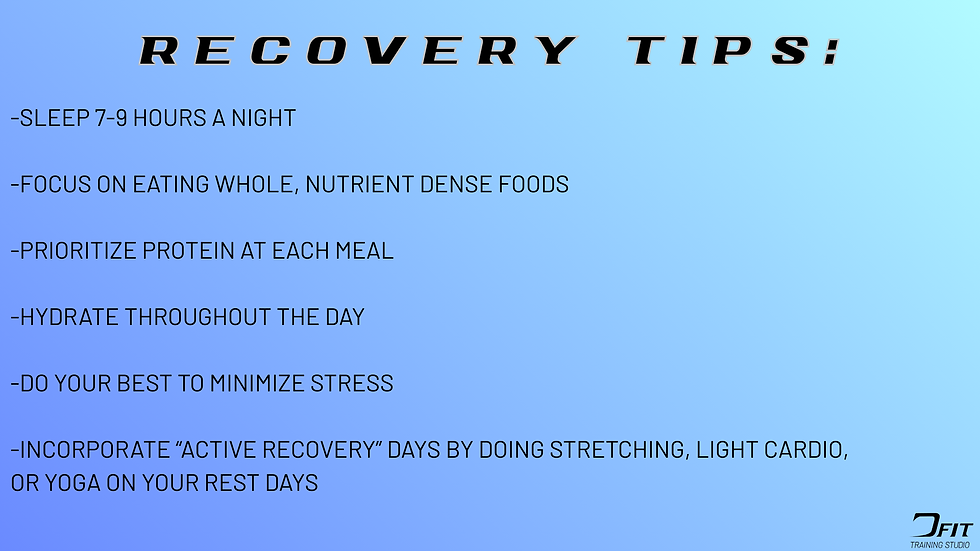
Recovery is actually where training adaptations occur, not in your workouts. Without adequate rest, progress stalls and injury risk increases. Well-designed programs will balance intensity, volume, and recovery to produce long-term results.
While it's important to train hard, it's equally important to train smart.
Bottom Line
Fitness progress doesn't come from chasing trends or believing myths. It comes from consistency, smart programming, and patience. While research and our understanding of exercise and the human body continue to grow, the fundamentals remain the same. If you focus on progressive overload, strength training, good nutrition, proper recovery, and sustainable habits, you'll build results that last—without the confusion.


Comments